


The Impact of Thyroid Disorders on Mental Health
✒ Dr. Shabda Karadan, BHMS
24 October 2026, 13 Jumada Al-Awwal 1448 AH
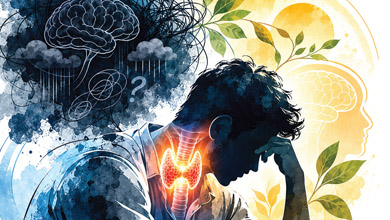
Just as hormonal balance is vital for the body, mental health is equally important. A healthy diet, proper treatment, and care for the mind are the pathways to a healthy life.
The thyroid is a small gland that plays a crucial role in regulating our body's functions. Located at the front of the neck and shaped like a butterfly, this gland produces hormones that influence metabolic processes, energy production, heart rate, body temperature, growth, and brain function. However, when the thyroid gland's function is disrupted, it can affect not only the body but also our mood, thoughts, sleep, and even daily life.
There is a close connection between hormonal fluctuations in the body and brain function. When the levels of thyroid hormones fluctuate, some people may experience changes in mood and cognitive ability. It is essential to raise awareness about thyroid disorders, which are commonly seen in both men and women today. Alongside recognizing symptoms, importance must be given to proper treatment, a balanced diet, exercise, and mental health care.
What are Thyroid Disorders?
Hypothyroidism: This is the condition where the thyroid gland does not produce enough hormones. As a result, the body's metabolic processes slow down. Fatigue, weight gain, difficulty tolerating cold, constipation, dry skin, hair fall, and poor concentration are some of its symptoms.
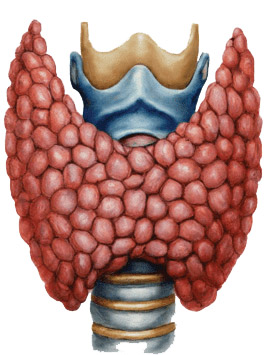
Hyperthyroidism: This is the condition where the thyroid gland produces hormones in excess. Symptoms include an increased heart rate, excessive sweating, hand tremors, insomnia, restlessness, and weight loss despite having a good appetite.
Both of these conditions can affect a person not only physically but also emotionally and mentally.
The Connection Between Thyroid and Mental Health
Hormonal fluctuations in the body and brain function are closely linked. When thyroid hormone levels change, some individuals may experience shifts in mood and cognitive capability.
1. Hypothyroidism and Depressive Symptoms
A deficiency in thyroid hormones can cause symptoms such as despair, lack of enthusiasm, excessive fatigue, memory loss, and difficulty concentrating. Changes in sleep patterns and daily activities may also be experienced. In some cases, conditions similar to symptoms of clinical depression may arise.
Such symptoms should not be dismissed as mere laziness or sluggishness. If persistent fatigue or mood changes are experienced, medical evaluation is necessary.
2. Hyperthyroidism and Anxiety
When thyroid hormones are overproduced, some individuals may experience extreme anxiety, restlessness, irritability, insomnia, and fear associated with a rapid heartbeat. Some complain of unexplained panic and difficulty concentrating. Such symptoms should not always be assumed to be caused by a thyroid disorder alone; other physical and psychological causes should also be investigated.
3. Mental Health and Thyroid in Women
In women, particularly during pregnancy and the postpartum period, fluctuations in thyroid function require careful attention. Hormonal changes can cause fatigue, sleep disturbances, and mood swings. However, not all of these symptoms are caused by thyroid disease alone; proper testing and expert medical advice are crucial.
Diet for Thyroid Patients
Nutrition plays a key role in thyroid health. However, no single food item or complete elimination of certain foods can cure or control all thyroid conditions. Dietary choices should be determined based on an individual's medical condition, test results, and other health concerns.
Iodine-Rich Foods: Iodine is essential for the production of thyroid hormones. Iodized salt, fish, eggs, and milk are dietary sources of iodine. However, excessive use of iodine can also be harmful, so iodine supplements should not be taken without a doctor's advice.
Protein-Rich Foods: Eggs, fish, legumes, chickpeas, green gram (cherupayar), milk, and curd can be included in the diet according to the body's needs. Adequate protein intake supports general health and muscle preservation.
Iron and Selenium-Rich Foods: Iron deficiency can lead to fatigue and other health issues. Leafy greens, legumes, and meat are sources of iron. Selenium can be found in fish, eggs, grains, and certain nuts. While consuming these in adequate amounts is important, excessive supplement use should not be assumed to be safe.
Vegetables and Fruits: A balanced diet incorporating vegetables, leafy greens, fruits, whole grains, and legumes is beneficial for overall health. Vegetables like cabbage, cauliflower, and broccoli can be consumed in normal quantities and do not need to be completely avoided.
Dietary Habits to Avoid

Excessive sugar, high salt intake, processed foods, and nutrient-deficient diets should be limited.
Crash diets or restrictive meal plans lacking essential nutrients should not be adopted for weight loss.
Eliminating gluten is not mandatory for everyone; in specific conditions like celiac disease, a doctor's guidance should be followed.
Thyroid Medication and Diet: Important Considerations
If medications have been prescribed for hypothyroidism, they must be taken consistently. Taking any other medications should be discussed with a doctor. Treatment should be evaluated through periodic tests such as TSH and, when necessary, Free T4 at appropriate intervals.
Lifestyle Changes to Protect Mental Health
Thyroid patients need to care for their mental health alongside their physical well-being.
Ensure adequate sleep every day.
Make walking or other suitable exercises a regular habit based on your health condition.
Maintain communication with family members and friends.
Seek medical help if excessive fatigue, despair, anxiety, or sleep problems persist over a long period.
If depression or anxiety persists even after thyroid hormone levels return to normal, an evaluation by a mental health professional may be necessary. Mental health issues should not be ignored or viewed merely as a lack of personal willpower.
Common Misconceptions
Weight Gain: Not everyone with a thyroid condition will experience weight gain. Changes in body weight depend on dietary habits, physical activity, and other health factors.
Universal Diet: Similarly, the same dietary plan is not suitable for all thyroid patients. Dietary adjustments must be made according to individual health statuses.
Treatment Role: While food, exercise, and stress management are helpful adjuncts to treatment, they are not substitutes for necessary medications and medical check-ups.
A thyroid disorder is not merely a hormonal imbalance; for some, it can also impact energy levels, sleep, mood, and overall quality of life. Therefore, early recognition of symptoms, proper testing, treatment under expert guidance, and adopting a balanced diet are of utmost importance.
When proper treatment, a healthy lifestyle, and mental health care come together, individuals with thyroid disorders can achieve an improved quality of life.
Remember: Just as hormonal balance is vital for the body, mental health is equally important. A healthy diet, proper treatment, and care for the mind are the pathways to a healthy life.
Translated By: Beena Subair