

Cervical Cancer: New horizons in vaccination
✒ Dr. Saleela K, Kottakkal
7 October 2026, 26 Rabi' al-Thani 1448 AH
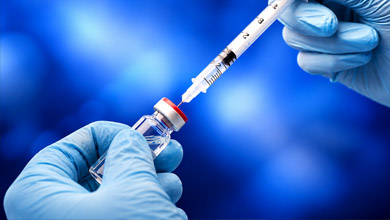
Today, the HPV vaccine represents one of the greatest battles medical science is waging against cancer. Every year in India, nearly 80,000 women die from cervical cancer. Statistics indicate that one in every four women worldwide who die from this cancer is Indian. Cervical cancer is the second most common cancer affecting women after breast cancer. It is vital to remember that over 95% of deaths caused by cervical cancer can be prevented with a single vaccination. It is now considered one of the most essential vaccines in India.
On February 28, 2026, the Government of India launched a nationwide HPV vaccination campaign. In Kerala, it is now available free of charge at government hospitals.
1. What is HPV?
Human Papillomavirus (HPV) is a sexually transmitted virus. Although nearly 80% of people may contract this infection at least once in their lifetime, it usually resolves on its own without leading to major complications. However, in some individuals, it develops into a serious infection, leading to conditions such as cervical cancer and genital warts.
According to statistics, around 120,000 women in India are diagnosed with cervical cancer every year, resulting in 80,000 deaths. Approximately 80% of these cases are caused by HPV types 16 and 18.
2. How to Receive the HPV Vaccine?
Under the government's free scheme, a single dose of Gardasil-4 is provided to girls aged 15 years and 3 months. For this, registration must be done on the U-WIN portal, where parental consent is mandatory.
Privately, the vaccine is available for individuals aged 9 to 45.
For Girls and Women:
Ages 9–14: Two doses, administered at a 6-month interval.
Ages 15–45: Three doses, administered at intervals of 0, 2, and 6 months.
For Boys and Men:
HPV can cause genital warts, throat cancer, and anal cancer in males. Therefore, vaccination is also recommended for boys. The most effective age range for them is 9 to 26 years.
3. Vaccines Available in India
Gardasil-4: Protects against 4 HPV types (Types 16 and 18, which cause cancer; Types 6 and 11, which cause genital warts).
Gardasil-9: Protects against 9 HPV types—offers the highest level of protection, but is more expensive.
Cervavac (Serum Institute, Indian-made): Protects against 4 HPV types. Cost-effective (cheaper option). Requires 2 doses.
4. Is the HPV Vaccine Safe?
Worldwide, over 500 million doses have been administered since 2006. It is exceptionally safe.
Points to keep in mind:
• Common side effects: Mild pain at the injected area, redness, swelling, slight fever, and headache are common side effects.
• Observation: One should remain under observation at the hospital for 30 minutes after vaccination. Claims that it causes infertility or premature menopause are completely baseless.
• Screening: Although the vaccine prevents 90% of cancers, a 10% risk remains; therefore, women should get a Pap Test done every 3 years after reaching age 30.
• Eligibility: While married women and mothers can take the vaccine, it is most effective when administered prior to marriage. It is not recommended during pregnancy.
WHO recognition: The World Health Organization (WHO) refers to this vaccine as a "Cancer-Preventing Vaccine."
Like other vaccines, this too is a lifesaving shield for our daughters. Do not deny it to them due to misconceptions.
Translated By: Beena Subair